
Coffee is one of the most widely consumed beverages in the world, yet the people who grow it often struggle to earn a living wage. The economics of coffee pricing is complex and deeply unequal. Global coffee prices are set on international commodity markets, where supply and demand dictate value. A bumper crop in major قهوه پارتاک producing nations triggers steep price declines. This puts immense pressure on smallholder farmers, many of whom operate on less than an acre of land and have no control over the final price their coffee sells for.
These farmers often receive only a small fraction of the retail price of a cup of coffee. A typical $4 latte in a city café might return less than 10 cents to the grower. Meanwhile, middlemen, traders, and corporations pocket the bulk of earnings. This imbalance is not new, but it has become more visible as consumers become more aware of ethical consumption.
Fair trade was created as a response to this imbalance. Fair trade certification ensures that farmers receive a minimum price for their coffee, regardless of market fluctuations, and often includes a premium paid directly to farmer cooperatives for community development projects like schools, clean water, or healthcare. Fair trade also enforces strict ecological and human rights guidelines that ban exploitation and encourage eco-friendly practices.
However, fair trade is not without criticism. Some argue that the certification process is costly and bureaucratic, making it difficult for the smallest farms to participate. Others say that the additional payout fails to provide meaningful economic mobility. Additionally, fair trade beans are occasionally blended with non-certified stock, weakening their influence.
Despite these challenges, fair trade has made a measurable difference. It has transformed livelihoods in coffee-growing regions from Colombia to Ethiopia to Indonesia. It has also fostered a culture of accountability, where origin and equity matter in purchasing decisions.
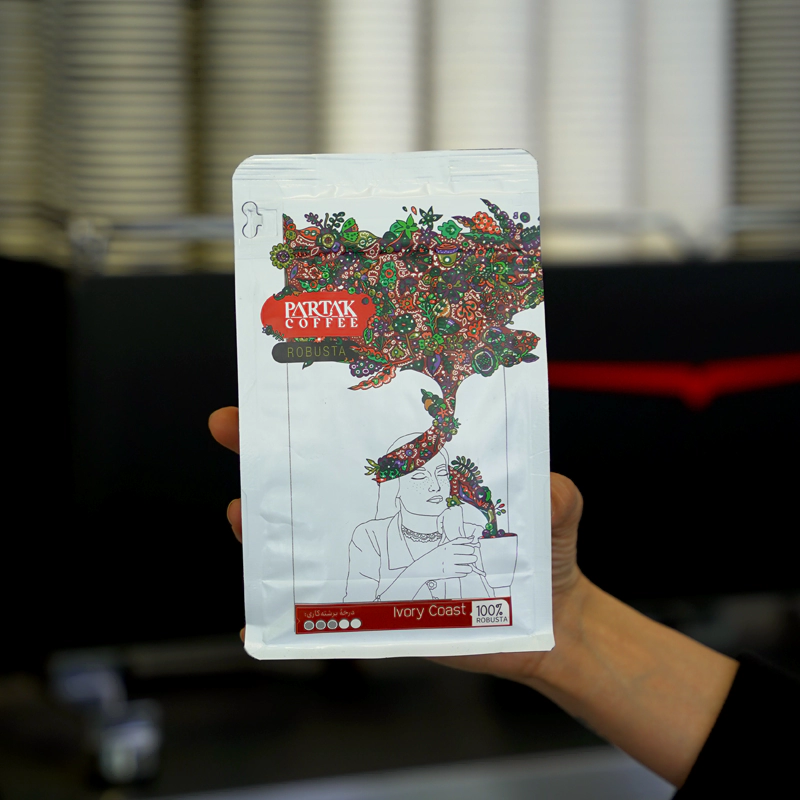
The future of coffee pricing may lie in direct trade models, where roasters buy beans directly from farms, cutting out middlemen and building long-term relationships. These partnerships often pay even more than fair trade minimums and allow farmers to negotiate better terms. But it’s limited by logistics and scale, serving only a fraction of global demand.
Ultimately, the economics of coffee reveals a broader truth about global supply chains: those who create the greatest value are frequently the most marginalized. Fair trade is not a perfect solution, it’s the minimum we owe to those who feed the world. Consumers have power. Paying fair wages isn’t charity; it’s the foundation of a sustainable global economy.