File extension ".ACP" file is best understood as a custom internal data file that has no single published audio definition, yet particular applications and devices may use it as their private project or configuration file. Rather than acting as an independent music track, an ACP file usually keeps pointers to external audio files plus the configuration describing how those sounds should be organized, processed, and played. As the ACP extension can be reused by multiple products, its internal structure varies from one implementation to the next, and an ACP generated by one tool is not guaranteed to be compatible elsewhere. When your system does not recognize an ACP file, your best option is either to open it with the program that created it or to use a universal viewer that can probe the file’s structure, tell you what kind of data it really contains, and help you work with any underlying audio in common formats for modern workflows.
Audio files quietly power most of the sound in our digital lives. From music and podcasts to voice notes and system beeps, all of these experiences exist as audio files on some device. In simple terms, an audio file is a structured digital container for captured sound. The original sound exists as a smooth analog wave, which a microphone captures and a converter turns into numeric data using a method known as sampling. The computer measures the height of the waveform thousands of times per second and records how tall each slice is, defining the sample rate and bit depth. When all of those measurements are put together, they rebuild the sound you hear through your speakers or earphones. The job of an audio file is to arrange this numerical information and keep additional details like format, tags, and technical settings.
Audio file formats evolved alongside advances in digital communication, storage, and entertainment. At first, engineers were mainly concerned with transmitting understandable speech over narrow-band phone and radio systems. Institutions including Bell Labs and the standards group known as MPEG played major roles in designing methods to shrink audio data without making it unusable. The breakthrough MP3 codec, developed largely at Fraunhofer IIS, enabled small audio files and reshaped how people collected and shared music. If you have any kind of questions concerning where and the best ways to utilize ACP file type, you could contact us at the site. Because MP3 strips away less audible parts of the sound, it allowed thousands of tracks to fit on portable players and moved music sharing onto the internet. Different companies and standards groups produced alternatives: WAV from Microsoft and IBM as a flexible uncompressed container, AIFF by Apple for early Mac systems, and AAC as part of MPEG-4 for higher quality at lower bitrates on modern devices.
Modern audio files no longer represent only a simple recording; they can encode complex structures and multiple streams of sound. Most audio formats can be described in terms of how they compress sound and how they organize that data. Lossless standards like FLAC and ALAC work by reducing redundancy, shrinking the file without throwing away any actual audio information. Lossy formats including MP3, AAC, and Ogg Vorbis deliberately discard details that are less important to human hearing, trading a small quality loss for a big reduction in size. Structure refers to the difference between containers and codecs: a codec defines how the audio data is encoded and decoded, while a container describes how that encoded data and extras such as cover art or chapters are wrapped together. Because containers and codecs are separate concepts, a file extension can be recognized by a program while the actual audio stream inside still fails to play correctly.
Once audio turned into a core part of daily software and online services, many advanced and specialized uses for audio files emerged. In professional music production, recording sessions are now complex projects instead of simple stereo tracks, and digital audio workstations such as Pro Tools, Logic Pro, and Ableton Live save projects that reference many underlying audio files. Film and television audio often uses formats designed for surround sound, like 5.1 or 7.1 mixes, so engineers can place sounds around the listener in three-dimensional space. Video games demand highly responsive audio, so their file formats often prioritize quick loading and playback, sometimes using custom containers specific to the engine. Spatial audio systems record and reproduce sound as a three-dimensional sphere, helping immersive media feel more natural and convincing.
Outside of entertainment, audio files quietly power many of the services and tools you rely on every day. Smart speakers and transcription engines depend on huge audio datasets to learn how people talk and to convert spoken words into text. When you join a video conference or internet phone call, specialized audio formats keep speech clear even when the connection is unstable. These recorded files may later be run through analytics tools to extract insights, compliance information, or accurate written records. Security cameras, smart doorbells, and baby monitors also create audio alongside video, generating files that can be reviewed, shared, or used as evidence.
A huge amount of practical value comes not just from the audio data but from the tags attached to it. Inside a typical music file, you may find all the information your player uses to organize playlists and display artwork. Standards such as ID3 tags for MP3 files or Vorbis comments for FLAC and Ogg formats define how this data is stored, making it easier for media players to present more than just a filename. Accurate tags help professionals manage catalogs and rights, and they help casual users find the song they want without digging through folders. However, when files are converted or moved, metadata can be lost or corrupted, so having software that can display, edit, and repair tags is almost as important as being able to play the audio itself.
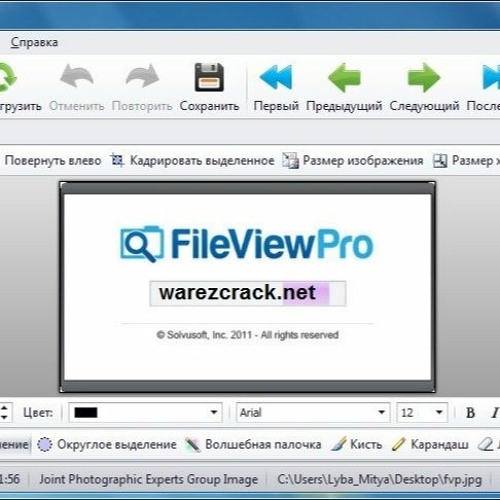
With so many formats, containers, codecs, and specialized uses, compatibility quickly becomes a real-world concern for users. Older media players may not understand newer codecs, and some mobile devices will not accept uncompressed studio files that are too large or unsupported. Shared audio folders for teams can contain a mix of studio masters, preview clips, and compressed exports, all using different approaches to encoding. Over time, collections can become messy, with duplicates, partially corrupted files, and extensions that no longer match the underlying content. By using FileViewPro, you can quickly preview unfamiliar audio files, inspect their properties, and avoid installing new apps for each extension you encounter. FileViewPro helps you examine the technical details of a file, confirm its format, and in many cases convert it to something better suited to your device or project.
For users who are not audio engineers but depend on sound every day, the goal is simplicity: you want your files to open, play, and behave predictably. Every familiar format represents countless hours of work by researchers, standards bodies, and software developers. The evolution of audio files mirrors the rapid shift from simple digital recorders to cloud services, streaming platforms, and mobile apps. By understanding the basics of how audio files work, where they came from, and why so many different types exist, you can make smarter choices about how you store, convert, and share your sound. Combined with a versatile tool like FileViewPro, that understanding lets you take control of your audio collection, focus on what you want to hear, and let the software handle the technical details in the background.