
Pressure washing is a powerful cleaning technique that uses high-pressure water spray to remove dirt, grime, mold, and other unwanted substances from surfaces. This method is widely employed in residential, commercial, and industrial contexts to restore the appearance and extend the life of buildings, pavements, vehicles, and more. If you have any questions concerning in which and how to use pressure cleaning services adelaide, you can call us at the site. Far from a simple hose with a strong jet, pressure washing combines technology and technique, transforming dirty spaces into pristine environments with remarkable efficiency.
At its core, pressure washing relies on a machine called a pressure washer, which forces water through a narrow nozzle at pressures that can exceed thousands of pounds per square inch (PSI). This intense stream dislodges deeply embedded contaminants that traditional cleaning methods cannot tackle. Depending on the task, operators choose from different pressure levels and nozzle types, tailoring the approach to the material—whether delicate wood siding, sturdy concrete, or rust-prone metal. Additionally, detergents or chemical additives may be used to enhance cleaning power, especially when dealing with oil stains, algae, or mold.
Beyond aesthetics, pressure washing offers practical benefits. It helps preserve surfaces by preventing the buildup of damaging substances that can cause deterioration, such as mildew on wood or acids on stone. By maintaining clean exteriors, property owners also improve safety by reducing slippery conditions and preparing surfaces for painting or sealing. However, effective pressure washing demands skill and awareness; excessive pressure can damage surfaces, while insufficient power fails to achieve a thorough clean. Environmental considerations are also vital, as runoff water must be managed responsibly to avoid harming nearby plants or waterways.
In summary, pressure washing is a multifaceted cleaning process that blends innovative equipment with careful technique to renew and protect a wide array of surfaces. Its ability to combine efficiency with environmental mindfulness makes it an indispensable tool in property maintenance. As technologies advance, pressure washing continues to evolve, promising even more effective and sustainable cleaning solutions in the future.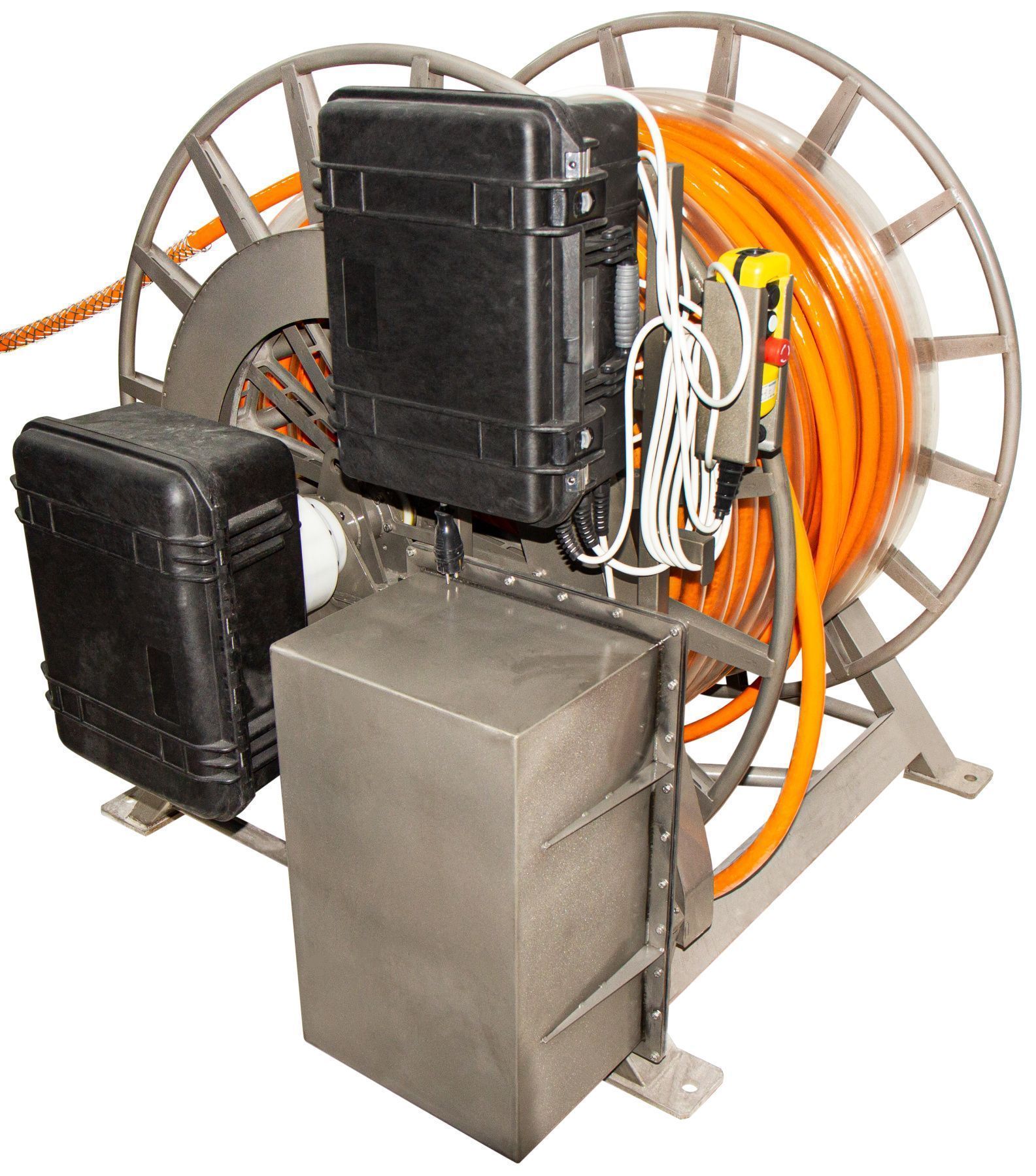
At its core, pressure washing relies on a machine called a pressure washer, which forces water through a narrow nozzle at pressures that can exceed thousands of pounds per square inch (PSI). This intense stream dislodges deeply embedded contaminants that traditional cleaning methods cannot tackle. Depending on the task, operators choose from different pressure levels and nozzle types, tailoring the approach to the material—whether delicate wood siding, sturdy concrete, or rust-prone metal. Additionally, detergents or chemical additives may be used to enhance cleaning power, especially when dealing with oil stains, algae, or mold.
Beyond aesthetics, pressure washing offers practical benefits. It helps preserve surfaces by preventing the buildup of damaging substances that can cause deterioration, such as mildew on wood or acids on stone. By maintaining clean exteriors, property owners also improve safety by reducing slippery conditions and preparing surfaces for painting or sealing. However, effective pressure washing demands skill and awareness; excessive pressure can damage surfaces, while insufficient power fails to achieve a thorough clean. Environmental considerations are also vital, as runoff water must be managed responsibly to avoid harming nearby plants or waterways.
In summary, pressure washing is a multifaceted cleaning process that blends innovative equipment with careful technique to renew and protect a wide array of surfaces. Its ability to combine efficiency with environmental mindfulness makes it an indispensable tool in property maintenance. As technologies advance, pressure washing continues to evolve, promising even more effective and sustainable cleaning solutions in the future.