
Concrete, the ubiquitous grey building block of modern civilization, is often taken for granted. We walk on it, drive on it, and live within structures built from it, rarely pausing to consider the intricate processes and skilled professionals that bring this essential material to life. Behind every sturdy foundation, smooth driveway, and towering skyscraper lies a network of concrete services, a diverse industry encompassing everything from mixing and pouring to specialized repairs and decorative finishes. This article delves into the multifaceted world of concrete services, exploring its key players, evolving technologies, and crucial role in shaping our built environment.
The Foundation of Everything: Core Concrete Services
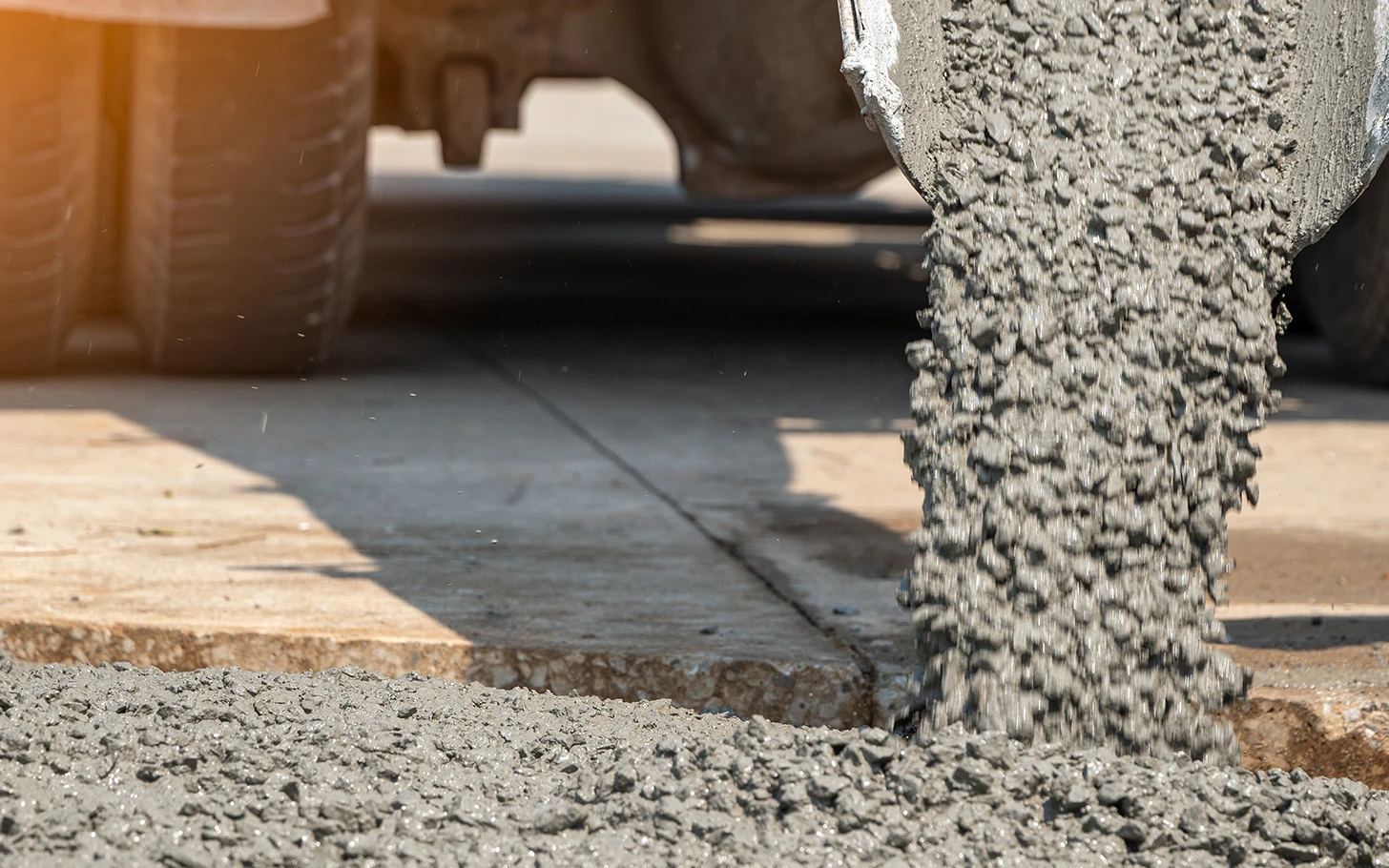
At its heart, the concrete services industry revolves around the fundamental processes of concrete production and placement. This includes:
Concrete Supply: Ready-mix concrete suppliers are the backbone of the industry, providing precisely formulated mixes tailored to specific project requirements. These suppliers operate sophisticated batching plants, carefully combining cement, aggregates (sand, gravel, or crushed stone), water, and admixtures to achieve desired strength, workability, and durability. Modern plants utilize computerized systems to ensure accurate proportions and consistent quality.
Concrete Pumping: Transporting concrete from the mixing truck to the point of placement can be challenging, especially on large or complex construction sites. Concrete pumping services employ specialized pumps and hoses to efficiently deliver concrete to even the most inaccessible locations, minimizing labor and maximizing speed. Boom pumps, mounted on trucks with articulated arms, are particularly useful for reaching elevated areas.
Concrete Placement: This crucial step involves pouring, spreading, and leveling the concrete to achieve the desired shape and finish. Skilled concrete finishers use a variety of tools, including screeds, floats, and trowels, to create smooth, even surfaces. Proper placement is essential for ensuring the structural integrity and aesthetic appeal of the finished product.
Concrete Finishing: The finishing process determines the final appearance and texture of the concrete surface. Options range from smooth, polished finishes for interior floors to textured, non-slip surfaces for exterior pavements. Decorative finishes, such as stamped concrete and exposed aggregate, add visual interest and enhance the overall design.
Beyond the Basics: Specialized Concrete Services
While the core services form the foundation, the concrete industry also encompasses a range of specialized services that cater to specific needs and challenges:
Concrete Cutting and Coring: When modifications or repairs are required, concrete cutting and coring services provide precise and controlled removal of concrete. Diamond-tipped saws and drills are used to create openings for pipes, ducts, and other utilities, or to remove damaged sections of concrete.
Concrete Repair and Restoration: Over time, concrete structures can deteriorate due to weathering, corrosion, and other factors. Concrete repair and restoration services employ a variety of techniques to repair cracks, spalls, and other damage, extending the lifespan of existing structures. This includes patching, resurfacing, and applying protective coatings.
Concrete Demolition: When structures reach the end of their useful life, concrete demolition services safely and efficiently dismantle them. Controlled demolition techniques, such as implosion and selective demolition, minimize disruption to surrounding areas.
Shotcrete and Gunite: These specialized concrete application methods involve spraying concrete onto a surface using compressed air. Shotcrete and gunite are commonly used for slope stabilization, tunnel linings, and swimming pool construction.
Decorative Concrete: This rapidly growing segment of the industry focuses on enhancing the aesthetic appeal of concrete surfaces. Techniques include staining, stamping, engraving, and adding decorative aggregates to create unique and visually stunning designs.
Innovation and Sustainability: The Future of Concrete Services
The concrete industry is constantly evolving, driven by advancements in technology and a growing emphasis on sustainability. If you have just about any inquiries regarding where by as well as how you can employ concrete breaker service near me (check out here), you possibly can email us on our site. Some key trends shaping the future of concrete services include:
High-Performance Concrete: These advanced concrete mixes offer superior strength, durability, and resistance to cracking and shrinkage. High-performance concrete is increasingly used in demanding applications, such as bridges and high-rise buildings.
Self-Healing Concrete: This innovative technology incorporates bacteria or other agents into the concrete mix that can repair cracks as they form. Self-healing concrete has the potential to significantly extend the lifespan of concrete structures and reduce maintenance costs.
Permeable Concrete: This type of concrete allows water to drain through it, reducing runoff and improving stormwater management. Permeable concrete is commonly used in parking lots, sidewalks, and other paved areas.
Recycled Aggregates: Using recycled aggregates, such as crushed concrete and asphalt, reduces the demand for virgin materials and minimizes waste. Recycled aggregates are increasingly incorporated into concrete mixes, contributing to a more sustainable construction industry.
3D Printing of Concrete: This emerging technology has the potential to revolutionize concrete construction, allowing for the creation of complex and customized structures with minimal waste. While still in its early stages, 3D printing of concrete is showing promise for a variety of applications.
- Building Information Modeling (BIM): BIM is increasingly used in concrete construction to improve coordination, reduce errors, and optimize project outcomes. BIM allows for the creation of detailed 3D models of concrete structures, facilitating collaboration between architects, engineers, and contractors.
While technology plays an increasingly important role, the concrete services industry remains heavily reliant on the skills and expertise of its workforce. Concrete finishers, pump operators, demolition experts, and other professionals require extensive training and experience to perform their jobs safely and effectively. The industry faces a growing shortage of skilled workers, highlighting the need for increased investment in training and apprenticeship programs.
Conclusion
Concrete services are an essential component of the modern construction industry, providing the materials, expertise, and technology necessary to build and maintain our infrastructure. From the fundamental processes of mixing and pouring to specialized repairs and decorative finishes, the industry encompasses a diverse range of services that contribute to the safety, durability, and aesthetic appeal of our built environment. As technology continues to advance and sustainability becomes an increasingly important consideration, the concrete services industry will play an even more critical role in shaping the future of construction. Recognizing the importance of this often-overlooked industry and investing in its workforce and technological advancements is crucial for ensuring the continued strength and resilience of our infrastructure.